
Introduction
Dust accumulating in your home can feel relentless, even when you sweep, vacuum, and dust every week. You may clean every surface, yet a thin layer gathers again, seemingly out of nowhere. One often overlooked source of dust is the network of air ducts that deliver heating, ventilation, and air conditioning throughout your home. Over time these ducts can collect dust, pollen, skin cells, pet dander, and other debris. When the HVAC system runs, that trapped dust often gets redistributed into your living spaces. Proper duct maintenance and professional duct cleaning can make a major difference, reducing dust dramatically and improving air quality for everyone inside your home.
In this guide you will learn why dust persists despite frequent cleaning, how duct systems contribute to the problem, and what steps you can take to minimize dust through maintenance and cleaning. Whether you plan a full cleaning or simple upkeep tasks, these strategies will help make your living space cleaner, healthier, and easier to maintain.
Why Dust Accumulates in Your Home Despite Regular Cleaning
Common Sources of Dust
Even with diligent cleaning, dust finds many ways to enter and settle around your home. Some of the most common sources include:
Outdoor particles: Road dust, dirt, pollen, and other airborne particles can enter through open windows, doors, or on shoes and clothing.
Indoor activity: Skin cells, hair, pet fur and dander, fabric fibers from carpets, furniture, and bedding all contribute to indoor dust.
Poor filtration or ventilation: When HVAC filters are old or clogged, dust circulates more freely. Leaky doors, windows, or vents also allow dust from attics, basements, or crawlspaces to seep in.
Ductwork accumulation: Dust tends to gather inside the air ducts over time. Once there is buildup, every cycle of heating or cooling pushes some of that settled dust back into the living space.
Even if you are vacuuming and wiping surfaces regularly, these dust sources remain, so dust keeps returning.
How Air Ducts Contribute to Dust Circulation
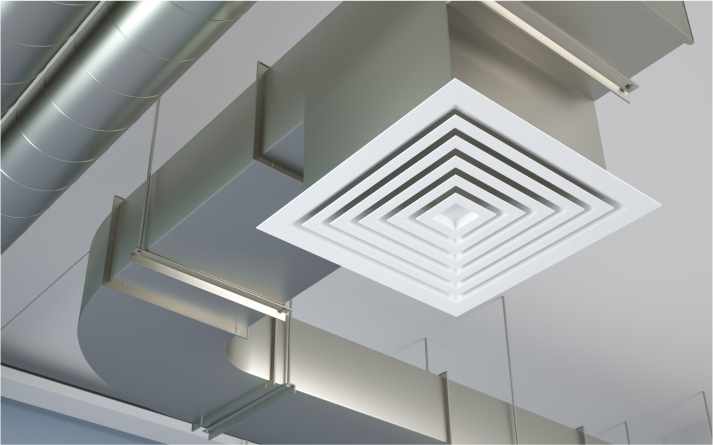
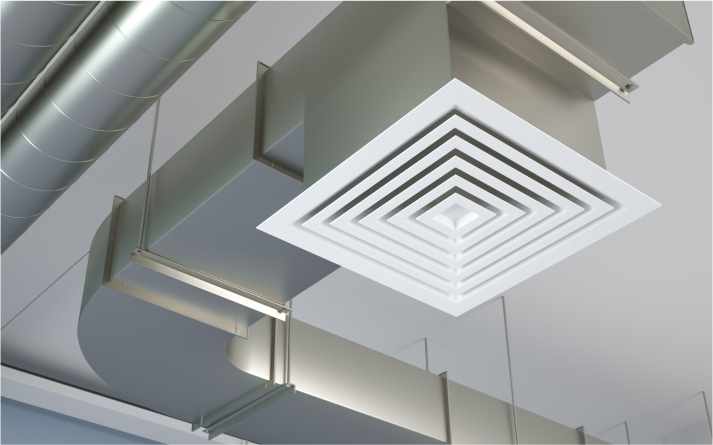
Air ducts connect every room in your home to a central HVAC system. Their main purpose is to distribute conditioned air evenly. However, they also tend to play a significant role in dust accumulation:
Dust trapping zones: Inside the ductwork dust sticks to the duct walls, especially in bends, joints, or wider sections where air slows. As airflow changes, some of that dust dislodges and drifts into rooms.
Recirculation effect: Most modern HVAC systems recirculate indoor air rather than bringing in fresh outside air constantly. That means dust inside ducts cycles repeatedly through the same spaces.
Hidden reservoirs: Dirty ducts act as hidden storage for dust and debris. Regular surface cleaning cannot reach inside these ducts, so dust remains trapped until it is stirred up again.
For these reasons, surface cleaning alone may not sufficiently reduce overall dust levels. Without duct maintenance and cleaning, dust consistently gets redistributed.
Benefits of Regular Duct Maintenance and Cleaning
Taking care of your ductwork and scheduling occasional professional cleaning offers clear and lasting benefits.
Improved Indoor Air Quality and Dust Reduction
Fewer airborne particles: Clean ducts reduce the amount of dust, pollen, pet dander, and other allergens circulating in your home. Over time you will likely notice less dust landing on furniture, floors, and surfaces.
Healthier breathing environment: Cleaner air can ease breathing, especially for individuals with allergies, asthma, or other respiratory sensitivities. When you maintain ducts properly you help reduce potential irritants.
Enhanced HVAC Efficiency and Reduced Utility Costs
Better airflow: Dust and debris buildup inside ducts restrict airflow. Clean ducts ensure that air moves smoothly throughout the system, so rooms heat up or cool down more evenly and quickly.
Lower energy consumption: When airflow is efficient, the HVAC system does not have to work as hard to maintain temperature. That reduces wear on the system and lowers electricity or gas usage.
Longer system lifespan: Less strain on your HVAC components means less chance of breakdowns, fewer repairs, and a longer system lifespan.
Fewer Maintenance Headaches and Dust Reinfestation
Reduced need for frequent surface cleaning: With fewer dust particles circulating, you will spend less time dusting furniture or wiping surfaces.
Prevention of dust pockets and hidden build-up: Regular maintenance helps you find and fix small issues before they become large dust reservoirs.
Step‑by‑Step Guide to Reducing Dust Through Duct Maintenance
Performing proper duct maintenance does not always require calling a professional. Below is a combination of professional steps and DIY tasks that homeowners can do to keep ducts and air quality under control.
Assess Your Ducts and HVAC System First
Before starting actual cleaning or maintenance, you need to evaluate the condition of your ducts.
Visual inspection: Remove a vent cover and look inside with a flashlight. If you see dust lining the walls, or debris accumulated deep inside, it may be time for cleaning.
Look for leaks or gaps: Check around joints, seams, and connections between ducts and registers. Leaks can allow dust from attics, basements, or crawlspaces to enter the duct system.
Check filters: Evaluate the HVAC filters. If they appear dusty or clogged, replace them immediately. Dirty filters reduce airflow and fail to capture fine particles effectively.
Consider air quality symptoms: Noticeable buildup of dust on surfaces, frequent sneezing or allergy flare‑ups, or uneven airflow in rooms may all be indicators your ducts need attention.
Schedule a Professional Duct Cleaning Service
If your inspection suggests heavy dust buildup deep in the ducts, a professional duct cleaning is often the most effective solution.
Choose a reputable provider that follows industry standards and uses proper equipment such as high‑efficiency vacuums, sealable duct tools, and HEPA filtration systems.
For example, if you are located in Utah, a specialized provider like “sanitairllc air duct cleaning salt lake city” can handle thorough duct cleaning. Providers advertising duct cleaning utah often serve this region and know local homes’ common duct configurations.
Ask the technician to clean not only the main trunk lines but also branch ducts, vents, blower components, and drip pans. This ensures dust is removed comprehensively.
After cleaning, confirm the system is sealed properly and that filters have been replaced.
Perform Routine DIY Maintenance
Between professional cleanings, maintain your ducts and HVAC system to minimize dust accumulation.
Change or clean filters regularly. Use high‑quality pleated filters rated for fine particles. Replace or clean them every 1–3 months depending on usage and household conditions.
Clean vent covers and registers. Remove vent covers, vacuum or wash them, then wipe the vent openings to remove settled dust.
Dust around vents and air returns. Dust accumulates around vents too, so wipe surfaces nearby, including walls and baseboards.
Seal leaks and gaps. Use duct tape or foil‑backed duct sealant to close leaks at seams and joints. This prevents dust from entering the system from attics or crawlspaces.
Control humidity and indoor air quality. Use air purifiers if needed, keep humidity between 30–50%. Humidity above or below that range makes dust more sticky or more likely to float.
Maintain regular cleaning routines. Continue vacuuming, sweeping, and dusting regularly. Combine those tasks with duct maintenance for the best outcome.
Choosing the Right Professional for Duct Cleaning
If you decide to hire a duct cleaning service, the quality of the provider is crucial for effective cleaning and long‑term results.
What to Look for in a Duct Cleaning Service Provider
When evaluating potential providers, consider these factors:
Certification or accreditation: Look for providers who follow recognized industry guidelines and can demonstrate quality duct cleaning standards.
Transparent service details: The provider should clearly state what the cleaning includes — main ducts, branch ducts, vents, blower unit, drip pans, filters.
Proper equipment: They should use a high‑powered vacuum system with HEPA filtration to ensure dust is captured and not redistributed. Brushes, air whips, and other tools should be used carefully to dislodge dust without damaging ducts.
Good reviews and reputation: Check testimonials or references. Past customers’ experiences with dust reduction, improved airflow, and cleanliness offer clues about the quality of service.
Fair pricing and clear explanation: A reliable company provides a clear quote outlining labor, parts, and what will be cleaned. There should be no hidden fees.
Why a Provider Like “sanitairllc air duct cleaning salt lake city” Stands Out
If you live in or near Utah, a provider marketing under “sanitairllc air duct cleaning salt lake city” may offer many advantages:
They specialize in duct cleaning services across Utah, which means they understand typical local HVAC configurations.
They can handle regular duct cleaning utah clients seeking thorough dust and debris removal.
Their focus on proper cleaning techniques helps ensure ducts remain dust‑free for a long time after service.
Using a trusted local provider gives you peace of mind. You can rely on their experience and expertise to get effective results rather than a quick surface clean that misses hidden dust.
How Often Should You Get Professional Cleaning
The frequency of professional duct cleaning depends on your household and environmental factors. Consider scheduling a full cleaning:
Every 3 to 5 years under normal circumstances.
If you have pets, smokers, or suffer from allergies or asthma, every 2 to 3 years may be better.
After major home renovations, remodeling, or water damage, as construction dust and debris often infiltrate ducts.
If you notice persistent dust accumulation on surfaces soon after cleaning, or uneven airflow, that suggests ducts may need another cleaning.
Common Mistakes to Avoid During Duct Maintenance
Even with good intentions, homeowners sometimes make mistakes that can reduce the effectiveness of cleaning or even worsen dust problems. Here are some pitfalls to avoid:
Neglecting filter changes: Using a cheap filter or ignoring recommended replacement intervals allows dust to build up further and circulate freely.
DIY cleaning without proper tools or training: Trying to vacuum dust out of ducts with a basic household vacuum can push dust further into the system or fail to remove it from deep inside.
Ignoring sealing and leaks: Even cleaned ducts can draw dusty air from attics, crawlspaces, or poorly sealed walls if leaks remain unaddressed.
Overlooking blower units and drip pans: Dust and moisture can accumulate inside blower components or drip pans, leading to mold, debris, or recurrent dust.
Focusing only on visible vents: Dust in hidden ducts remains unless every part of the system is addressed, from main trunks to branch lines and returns.
Avoiding these mistakes ensures that your duct maintenance efforts truly reduce dust and improve air quality.
Additional Strategies to Minimize Dust at Home
Duct maintenance is a powerful tool to cut down dust, but combining it with other good practices will maximize results.
Maintain a Clean-Centered Lifestyle
Use doormats and remove shoes at the door. This reduces the amount of outdoor dirt and dust that enters your home.
Vacuum with HEPA filter vacuums and mop hard floors regularly, especially if you have pets or high foot traffic.
Wash bedding, curtains, and upholstery often. Fabric surfaces trap dust, skin cells, and fibers, which can all add to airborne dust when disturbed.
Use air purifiers especially in high-use rooms or spaces with limited ventilation. HEPA air purifiers capture fine particles that dusting and vacuuming miss.
Control Humidity and Ventilation
Dust and allergens behave differently depending on humidity. To help control dust:
Keep indoor humidity between 30 and 50 percent. Low humidity lets dust stay airborne longer, while high humidity causes dust and debris to stick to surfaces and then flake off.
Ensure good ventilation by periodically opening windows where safe, or using ventilation fans. Fresh air reduces dust concentration and helps exchange indoor air.
Clean or replace HVAC humidifiers or dehumidifiers if you use them, to avoid mold or dust buildup inside those systems.
Realistic Timeline and Expectations
Managing dust through duct maintenance and cleaning is not an instant fix. Here is what you can expect:
Immediately after professional cleaning: You should notice a cleaner indoor environment within a few days. Dust buildup on surfaces should decrease noticeably.
First few weeks post-maintenance: Airflow will likely improve, rooms will heat or cool more efficiently, and you may see reduced dust on floors, shelves, and furniture. Some loose dust may still emerge as the system settles.
Long-term improvements (months to years): With regular filter changes, vent cleaning, and occasional professional duct cleanings, you will maintain significantly lower dust levels. The HVAC system will run more effectively and require fewer repairs.
It helps to think of duct cleaning and maintenance as part of a broader home care routine, not as a one-time fix.
Conclusion
Dust accumulation is a persistent problem in many homes, even those that receive regular vacuuming, dusting, and surface cleaning. A main contributor often overlooked is the network of ducts that circulate air throughout the house. Without proper maintenance these ducts serve as hidden reservoirs for dust, pollen, pet dander, and other particles. Each time your HVAC system operates it may redistribute those contaminants, resulting in constant dust on surfaces and poorer indoor air quality.
By investing in regular duct maintenance and occasional professional duct cleaning — particularly services specializing in regions such as Utah, like sanitairllc air duct cleaning salt lake city — you can significantly reduce the dust that settles in your home. Pair that maintenance with consistent filter replacement, vent cleaning, humidity control, and good cleaning habits, and you will enjoy cleaner air, less dust, and a healthier living environment.









Write a comment ...